Pax Silica in Philippines: What It Means for the Country’s Silica and Industrial Materials Industry
The Philippines is entering a new phase of industrial and technological development. With artificial intelligence, semiconductor manufacturing, advanced electronics, renewable energy, and resilient global supply chains becoming increasingly important, the materials that support these industries are receiving greater attention.
One of the biggest developments in 2026 is the Philippines’ participation in Pax Silica, a U.S.-led initiative focused on strengthening secure supply chains for critical minerals, energy inputs, advanced manufacturing, semiconductors, artificial intelligence infrastructure, and logistics. The Philippines formally joined the initiative in April 2026.
For companies and industrial buyers searching for information about Pax Silica in Philippines, this development raises an important question: what does it mean for the country’s minerals and industrial materials sector?
It also creates an opportunity to better understand the role of Silica Sand in Philippines, particularly the distinction between ordinary industrial silica sand, higher-purity silica materials, silicon, and the highly specialized materials required by semiconductor manufacturing.
As a supplier of silica sand for different industrial applications, Richson’s Trading understands how important material quality, consistency, specifications, and reliable supply are to growing Philippine industries.
What Is Pax Silica?
Pax Silica is a strategic international initiative designed to strengthen the supply chains behind some of the world’s most important emerging technologies.
The initiative extends beyond silica itself. According to information released about the program, its scope covers the broader silicon and technology supply chain—from critical minerals and energy inputs to advanced manufacturing, semiconductors, AI infrastructure, and logistics.
This is an important distinction.
Despite the name “Pax Silica,” the initiative should not be understood simply as a program for producing or purchasing silica sand. It represents a much broader effort to establish secure and resilient ecosystems capable of supporting modern technology.
These ecosystems depend on many interconnected industries, including:
- Critical minerals and raw materials
- Energy generation and infrastructure
- Semiconductor manufacturing
- Advanced electronics
- Data centers and AI infrastructure
- Industrial manufacturing
- Logistics and transportation
- Research and development
- Skilled technical workers
- Reliable regional and international supply chains
The growing discussion around Pax Silica in Philippines therefore reflects the country’s potential to participate more deeply in high-value global industries.
Why Did the Philippines Join Pax Silica?
The Philippines officially joined Pax Silica in April 2026, strengthening its participation in efforts to build secure semiconductor and AI-related supply chains.
This makes strategic sense for the country.
The Philippines already has an established electronics and semiconductor sector, a large workforce, an important geographical position in Southeast Asia, and growing investment in infrastructure and digital technologies.
Pax Silica could potentially strengthen these advantages by encouraging investment in advanced manufacturing and related industries.
Government officials have also framed participation as part of the country’s broader industrialization and economic resilience efforts.
Rather than remaining primarily a source of raw materials or lower-value manufacturing services, the long-term opportunity is for the Philippines to capture more value from advanced production, technology, logistics, research, and processing.
The Planned Pax Silica Industrial Hub in the Philippines
One of the most significant components of Philippine participation is the planned industrial development under the initiative.
The Philippines and United States announced plans for a roughly 4,000-acre industrial hub within the Luzon Economic Corridor, designed as the first AI-native industrial acceleration hub under Pax Silica.
The planned development is expected to support advanced manufacturing, logistics, AI infrastructure, and other industries connected to global technology supply chains.
By July 2026, the Philippine government was describing the proposed Pax Silica Industrial Hub as a project intended to strengthen the country’s role in the global AI and technology value chain.
The project has also attracted significant investment expectations. The Bases Conversion and Development Authority said in July that the proposed development could potentially generate more than 130,000 jobs once fully developed.
More recently, Philippine officials said development of the AI hub could begin within approximately three to five years, underscoring that Pax Silica is a long-term industrial strategy rather than an overnight transformation.
Why Silica and Silicon Matter to Modern Technology
To understand the significance of the term Pax Silica, it helps to understand the relationship between silica and silicon.
Silica is primarily silicon dioxide, represented chemically as SiO₂. Quartz is one of its most familiar natural forms, and silica-rich sand is widely used across numerous industries.
Silicon, on the other hand, is a chemical element derived through specialized processing of silica-bearing raw materials.
Extremely high-purity silicon eventually becomes an essential material for semiconductor applications.
Semiconductors are fundamental components of modern technology, including:
- Smartphones
- Computers
- Vehicles
- Industrial machinery
- Telecommunications equipment
- Data centers
- Artificial intelligence systems
- Consumer electronics
- Medical equipment
- Renewable energy technologies
As AI and digital infrastructure expand, semiconductor supply chains are becoming increasingly strategically important.
That is one reason initiatives such as Pax Silica extend from raw materials all the way to energy, manufacturing, chips, AI infrastructure, and logistics.
Silica Sand vs. High-Purity Silica vs. Semiconductor-Grade Silicon
This distinction is particularly important when discussing Pax Silica in Philippines alongside Silica Sand in Philippines.
The terms should not be used interchangeably.
Industrial Silica Sand
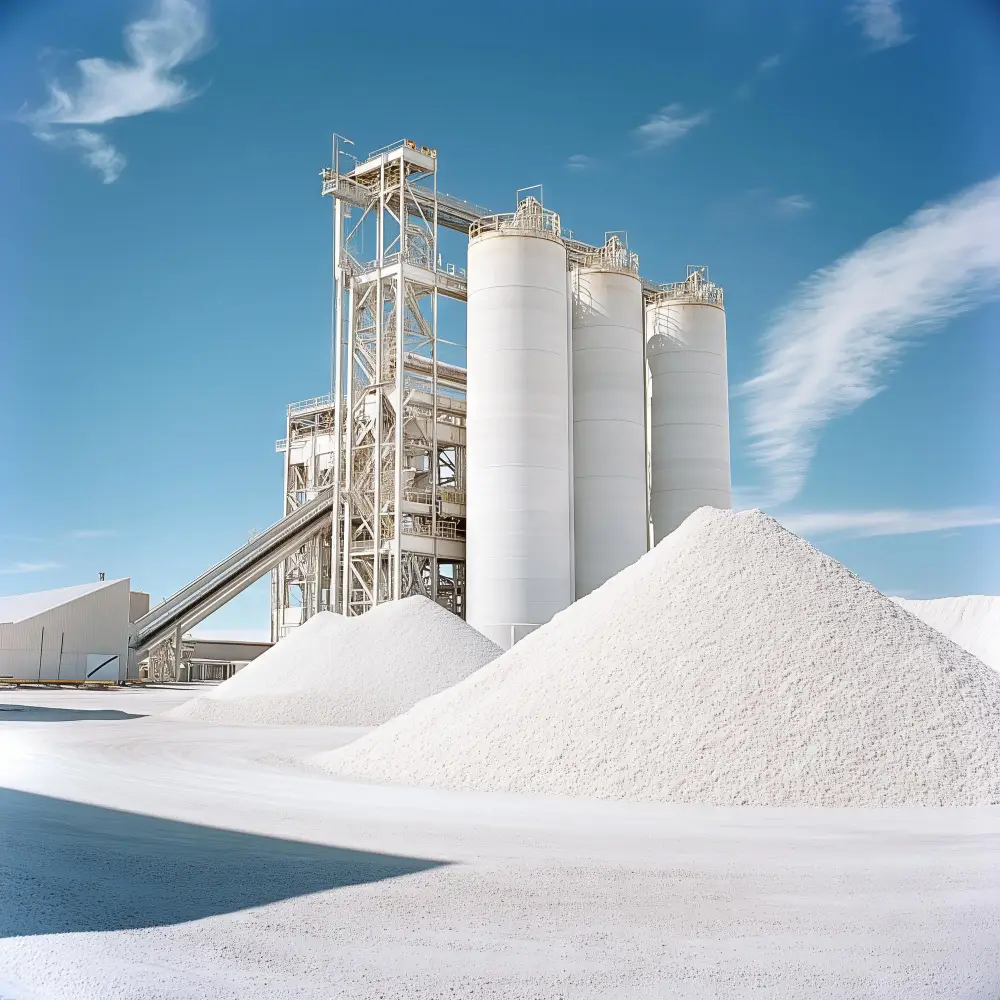
Silica sand is a naturally occurring material primarily composed of silicon dioxide. Depending on its characteristics and processing, it can be used for applications such as construction, glassmaking, foundry operations, water filtration, and other industrial processes.
Richson’s Trading supplies silica sand for a range of Philippine industrial applications.
High-Purity Silica
Certain advanced applications require silica with much stricter purity specifications and tightly controlled impurities.
Producing these materials may require specialized mineral selection, beneficiation, purification, testing, and processing.
Silicon
Silicon is produced through industrial processes that chemically reduce silica. The resulting silicon may then undergo additional processing depending on its intended application.
Semiconductor-Grade Silicon
Semiconductor manufacturing requires extraordinarily high levels of purity and sophisticated processing.
Therefore, ordinary industrial silica sand should not automatically be described as semiconductor-grade material.
The existence of silica resources does not by itself mean those materials are suitable for semiconductor production.
Chemical composition, contaminants, mineralogy, particle characteristics, processing technology, energy requirements, economics, and many other factors must first be evaluated.
This distinction is critical for businesses attempting to understand the opportunities surrounding Pax Silica.
Where Does Silica Sand in Philippines Fit Into the Bigger Picture?
The immediate significance of Pax Silica is not necessarily that every silica sand producer or supplier will suddenly become part of the semiconductor industry.
Its broader significance is the attention it brings to materials, processing, manufacturing, infrastructure, and supply-chain resilience.
Silica sand already supports many established industries in the country.
According to Richson’s Trading‘s existing industry resources, Silica Sand in Philippines is used across applications such as construction, manufacturing, glass production, foundry operations, and filtration.
As the Philippines develops more industrial parks, factories, infrastructure, energy facilities, logistics networks, and advanced manufacturing operations, demand for reliable industrial raw materials may also evolve.
The opportunity extends beyond one material.
Pax Silica highlights an economic principle that applies across modern manufacturing: secure technology supply chains begin with dependable inputs and infrastructure.
Could Pax Silica Increase Interest in Philippine Mineral Resources?
Potentially, but expectations should remain realistic.
A stronger Philippine position in advanced manufacturing could encourage additional research, exploration, testing, processing, and investment involving strategically important minerals and industrial materials.
For silica specifically, increased attention may encourage companies and researchers to better understand the characteristics of Philippine deposits.
Questions could include:
What is the silica content?
Different applications require different chemical specifications.
What impurities are present?
Iron, aluminum, titanium, calcium, and other elements can influence suitability for particular applications.
Can the material be economically processed?
A mineral deposit may contain valuable material without necessarily being commercially viable for advanced processing.
What applications best match the material?
Not every silica deposit needs to become semiconductor feedstock to have significant economic value.
Materials can serve construction, glass, foundry, filtration, ceramics, manufacturing, and numerous other markets.
This is why proper testing and product specifications are more useful than assumptions based solely on the term “silica.”
Opportunities for Philippine Manufacturing
The larger opportunity presented by Pax Silica in Philippines is the possibility of strengthening domestic manufacturing capabilities.
The country already participates in global electronics supply chains. Expanding advanced manufacturing could create additional demand for supporting industries.
Advanced Manufacturing
Factories require more than machines.
They depend on construction materials, industrial minerals, energy, water, transportation, warehousing, engineering services, and reliable suppliers.
Semiconductor and Electronics Ecosystems
An expanded semiconductor ecosystem could support companies involved in components, assembly, packaging, testing, precision manufacturing, logistics, and specialized services.
AI Infrastructure
Artificial intelligence requires significant computing infrastructure.
This creates demand for data centers, power generation, cooling infrastructure, telecommunications, construction, electrical equipment, and highly specialized hardware.
Logistics
Advanced industries require predictable movement of raw materials, components, equipment, and finished products.
Pax Silica specifically includes logistics within its broader supply-chain strategy.
Energy
High-tech manufacturing and AI infrastructure can require significant and dependable electricity supplies.
Philippine investment discussions under Pax Silica have consequently included energy and digital infrastructure partnerships.
Together, these developments could create opportunities well beyond semiconductor companies themselves.
Why Material Quality Will Become Even More Important
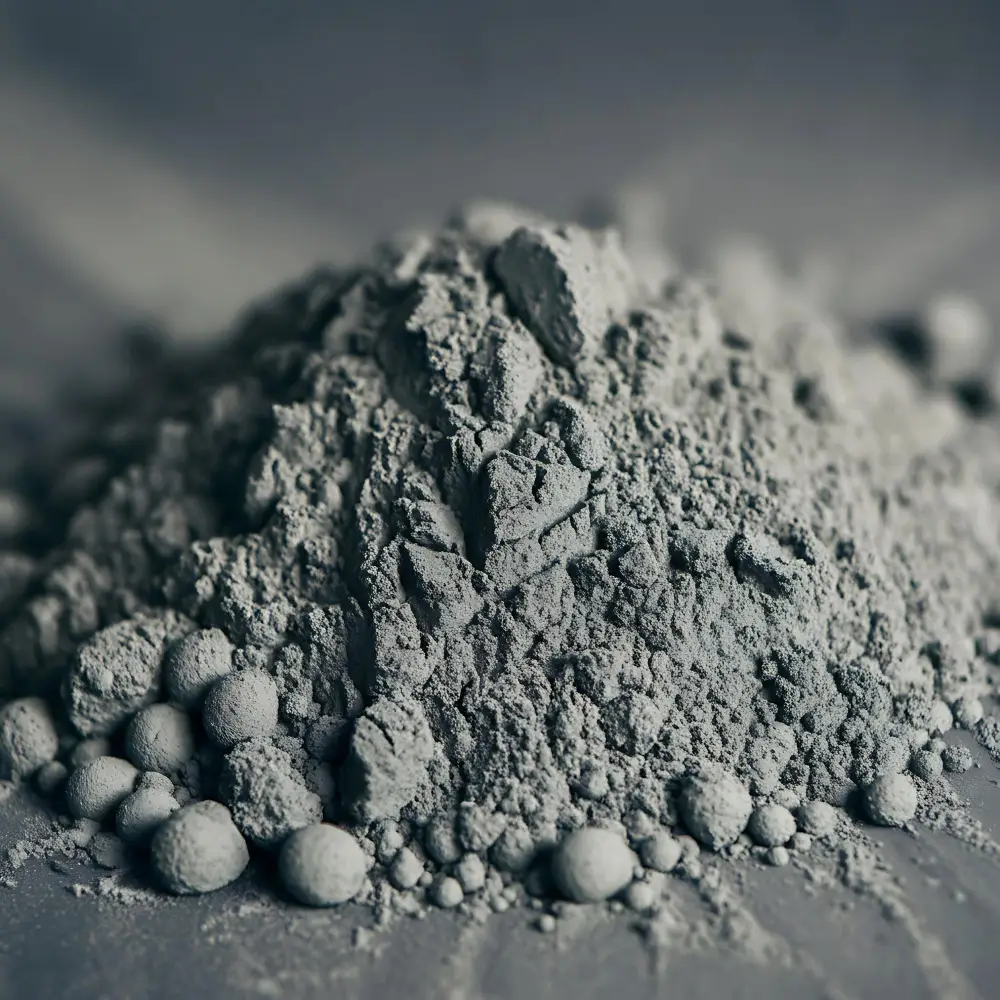
As Philippine manufacturing becomes increasingly sophisticated, buyers may place greater emphasis on material specifications.
Simply ordering “silica sand” may not provide enough information.
Industrial buyers should consider factors such as:
- Silica or SiO₂ content
- Particle size
- Grain distribution
- Moisture content
- Chemical impurities
- Consistency between deliveries
- Intended industrial application
- Processing requirements
- Volume requirements
- Packaging and transportation
Different applications require different specifications.
For example, silica sand intended for filtration may require characteristics different from material intended for foundry or manufacturing applications.
This is why businesses should discuss their requirements with a knowledgeable supplier rather than choosing material based solely on price.
The Importance of Reliable Industrial Material Suppliers
Major industrial developments require dependable supply chains.
Even highly advanced manufacturing facilities rely on basic industrial fundamentals: consistent materials, predictable deliveries, quality control, infrastructure, and strong supplier relationships.
A reliable supplier should be able to help buyers identify suitable products based on their application and required specifications.
This becomes increasingly important as Philippine industries modernize.
Companies should consider several factors when selecting a supplier of Silica Sand in Philippines:
Product consistency – Industrial operations require predictable material characteristics.
Appropriate specifications – The silica sand should be suitable for the intended application.
Supply capability – Suppliers should be capable of meeting the required quantity and schedule.
Industry knowledge – Understanding different silica applications helps buyers make better sourcing decisions.
Reliable communication – Large projects require clear coordination regarding specifications, quantities, delivery, and availability.
Price remains important, but industrial procurement should consider total reliability rather than simply choosing the lowest quotation.
Silica Sand in Philippines and the Country’s Industrial Future
Pax Silica represents a much larger technology strategy, but its emergence reinforces the importance of industrial materials throughout the Philippine economy.
Before a country can manufacture sophisticated products, it needs strong foundations.
Those foundations include:
raw materials → processing → energy → infrastructure → manufacturing → logistics → technology.
Silica sand already participates in several parts of this industrial ecosystem.
Construction projects need materials.
Water treatment facilities require filtration media.
Manufacturing operations need specialized industrial inputs.
Foundries require suitable sand.
Glass and other products depend on silica-based materials.
These may not always be the headline-grabbing elements of artificial intelligence or semiconductor manufacturing, but they remain important parts of a functioning industrial economy.
Why Choose Richson’s Trading for Silica Sand in Philippines?
As industries expand and material requirements become more specialized, businesses need suppliers that understand the importance of quality and dependable supply.
Richson’s Trading supplies silica sand for different industrial applications in the Philippines and operates a processing facility in Brgy. San Francisco, Tagkawayan, Quezon Province.
The company’s silica products support applications across industries where material consistency and suitable specifications matter.
Businesses searching for Silica Sand in Philippines can work with Richson’s Trading to discuss their particular requirements, including intended application, specifications, quantities, and delivery needs.
Whether silica sand is required for industrial production, filtration, foundry applications, construction-related requirements, or other suitable uses, selecting the correct material is essential.
Most importantly, buyers should avoid assuming that all silica sand is identical.
Different projects have different technical requirements, and choosing material based on actual specifications can help improve efficiency, quality, and long-term project performance.
Pax Silica and the Next Chapter of Philippine Industrialization
The emergence of Pax Silica in Philippines is significant because it signals an ambition to move the country further into advanced manufacturing and the global technology value chain.
The planned AI-native industrial hub demonstrates the scale of that ambition.
But developing a globally competitive industrial ecosystem requires more than constructing semiconductor plants or data centers.
It requires energy.
It requires infrastructure.
It requires logistics.
It requires skilled workers.
And it requires dependable supply chains—from basic industrial inputs to highly specialized advanced materials.
That broader perspective is where the discussion about Silica Sand in Philippines becomes relevant.
Silica sand should not be confused with semiconductor-grade silicon, but silica remains an important industrial mineral with established applications throughout the Philippine economy.
As industrialization progresses, understanding material specifications, investing in processing capabilities, improving infrastructure, and developing reliable domestic supply chains will become increasingly important.
Pax Silica Creates a Bigger Conversation About Philippine Industry
Pax Silica in Philippines represents more than a technology project. It reflects the country’s growing ambition to participate in secure international supply chains for advanced manufacturing, semiconductors, AI infrastructure, critical materials, energy, and logistics.
For the Philippine silica industry, the responsible approach is not to assume that ordinary silica sand will automatically become semiconductor material.
Instead, Pax Silica creates a valuable opportunity to discuss the bigger picture: material quality, mineral processing, industrial capacity, infrastructure, research, manufacturing, and supply-chain resilience.
At the same time, demand for dependable Silica Sand in Philippines continues across established industries such as construction, water treatment, manufacturing, foundry operations, and other industrial applications.
Looking for Silica Sand in the Philippines?
If your company requires silica sand for an industrial or commercial application, Richson’s Trading can help you identify an appropriate supply based on your project’s requirements.
Talk to Richson’s Trading about your required specifications, application, quantity, and delivery requirements.
Build your supply chain on the right materials. Choose quality Silica Sand in Philippines from Richson’s Trading.